

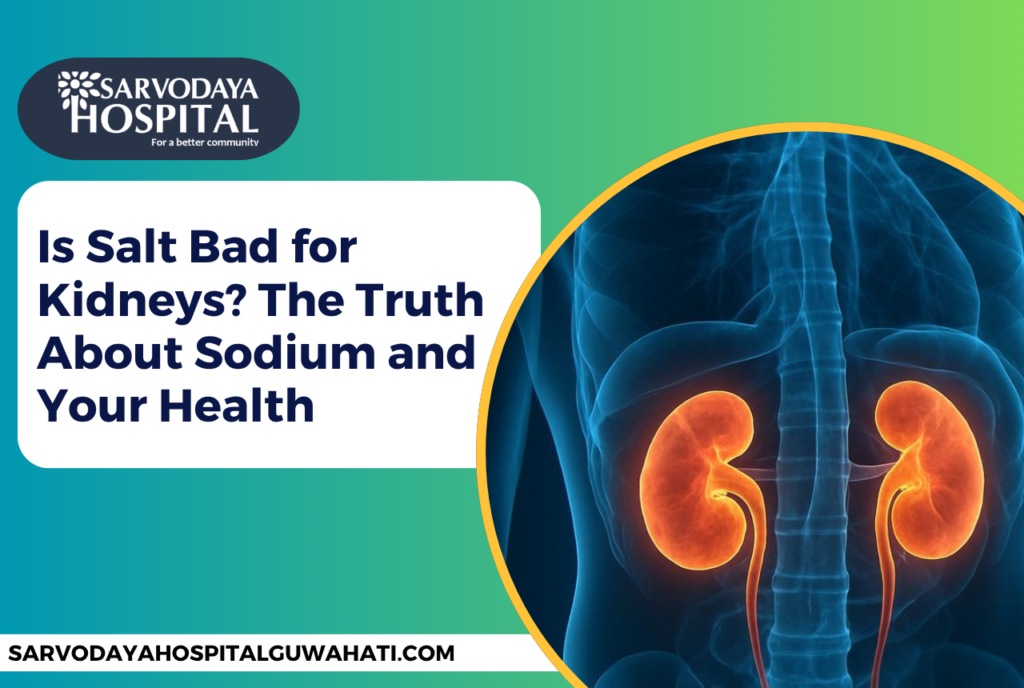

You sprinkle it on dal. You stir it into sabzi. You reach for it almost without thinking. Salt is the most used ingredient in every Indian kitchen — and one of the most dangerous when consumed in excess.
But here is what most people do not know: your kidneys bear the heaviest burden of every extra pinch you take. So, is salt bad for kidneys? The short answer is yes — and the science behind it is something every Indian household needs to understand.
At Sarvodaya Hospital Guwahati, we see the effects of poor dietary habits on kidney health every day. This guide will explain exactly why is salt bad for kidneys, what symptoms of too much salt in one day look like, and the practical steps you can take to protect one of your body’s most vital organs.
What Does Salt Actually Do in Your Body?
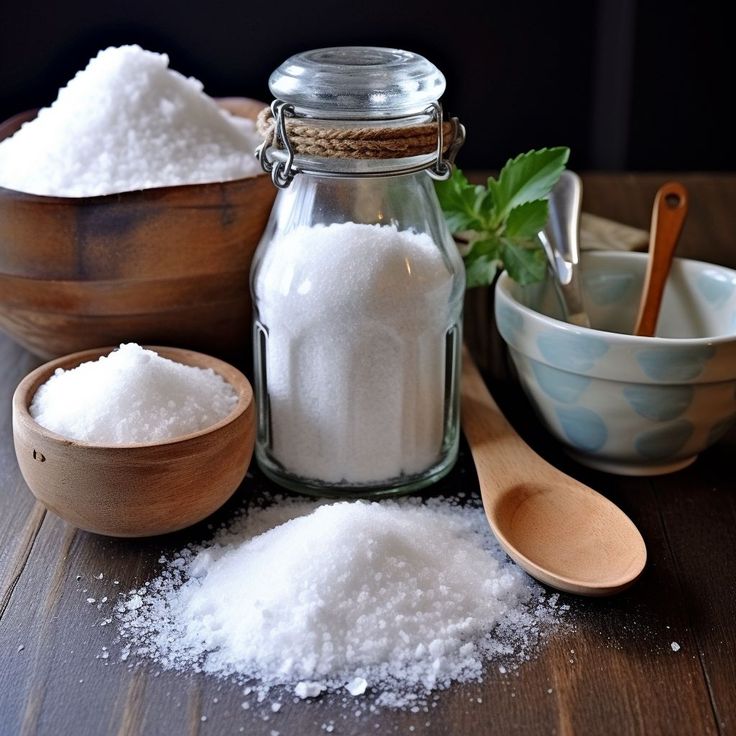
Before we answer “is salt bad for kidneys,” it helps to understand what salt does in the first place.
Salt is made up of two minerals — sodium (40%) and chloride (60%). Your body needs a small amount of sodium daily, roughly 500 mg, to:
- Transmit nerve impulses
- Contract and relax muscles
- Regulate fluid and blood pressure balance
The problem? Most sodium we consume comes from processed and restaurant foods, and most people consume far more than the recommended daily limit of 2,300 mg. In India, with our love of pickles, packaged snacks, papads, and processed foods, excessive sodium intake is increasingly common — and kidney disease rates are rising alongside it.
Is Salt Bad for Kidneys? Here Is What the Science Says
Yes — and research from multiple credible institutions confirms it.
Your kidneys are responsible for balancing the amount of sodium in your body. When you consume too much, it builds up in your blood, making it harder for your kidneys to do their job — and raising your blood pressure in the process.
When you consume too much salt, you can alter the sodium-potassium balance, which decreases your kidney function. With reduced function, your kidneys can become significantly strained, and you may eventually develop kidney disease.
A high salt diet alters sodium balance, causing the kidneys to have reduced function and remove less water, resulting in higher blood pressure. This puts strain on the kidneys and can lead to kidney disease. In addition, a high salt intake has been shown to increase the amount of urinary protein, which is a major risk factor for developing kidney disease.
According to a study published in JAMA Network Open by Tulane University researchers, a higher frequency of adding salt to foods is significantly associated with an increased risk of chronic kidney disease (CKD), based on a cohort of over 460,000 participants.
In short: yes, salt is bad for your kidneys — especially when consumed in consistently high amounts over months and years.
Why Is Salt Bad for Kidneys? The 3 Key Mechanisms
1. It Raises Blood Pressure, Which Damages Kidney Tissue
Diets high in sodium increase blood pressure levels. High blood pressure damages the kidneys over time and is a leading cause of kidney failure. When your blood pressure is elevated, the delicate filtering units inside your kidneys (called glomeruli) are subjected to constant stress — eventually leading to scarring and loss of function.
2. It Increases Protein in Urine (Proteinuria)
One of the earliest warning signs of kidney disease is protein leaking into the urine. High sodium intake may blunt the antiproteinuric effect of various drugs, and experimental studies show a direct tissue effect of salt on the kidney, independent of blood pressure, inducing hypertrophy, fibrosis, and damage to the glomerular basement membrane.
3. It Contributes to Kidney Stones
A high salt diet can increase the amount of calcium lost in urine, which can cause kidney stones. A number of studies have successfully shown that a reduction in salt consumption can reduce calcium excretion and reduce the reoccurrence of kidney stones.
High-sodium diets can also increase the amount of urinary calcium, which is the main cause of kidney stones. In India, kidney stones are already extremely prevalent — and your salt habit may be making things worse.
Which Organ Is Most Affected by Too Much Salt?
While too much sodium harms your heart, brain, and bones — the kidneys are the primary organ affected by excess salt.
Healthy kidneys are able to filter about half a cup of blood every minute, regulating the body’s fluid balance. When your kidney function decreases due to elevated levels of sodium, waste can accumulate in the bloodstream.
This accumulation of waste leads to fatigue, swelling, difficulty concentrating, and in severe cases, the need for dialysis. Protecting your kidneys starts with controlling what goes on your plate.
Symptoms of Too Much Salt in One Day
Not sure if your sodium intake is too high? Your body sends clear warning signs. Here are the most common symptoms of too much salt in one day:
- Bloating and puffiness — Bloating is one of the most common short-term effects of too much salt, as it helps your body retain water, causing extra fluid to build up.
- Swelling in face, hands, and feet — Swelling can be a sign of too much sodium, with the face, hands, feet, and ankles being the most likely body parts affected.
- Excessive thirst — Your body demands more water to dilute the excess sodium in your blood.
- Frequent urination — The kidneys work overtime trying to flush out sodium, leading to more bathroom trips, including at night.
- Headaches — Changes in fluid balance and blood vessel tension can contribute to headaches in some people, particularly after large or salty meals, especially if blood pressure rises at the same time.
- Fatigue and muscle weakness — Electrolyte imbalance caused by excess sodium may lead to tiredness, reduced energy, or muscle weakness, affecting concentration and daily activities.
- High blood pressure — One of the most critical long-term signs, which many people in India unknowingly live with for years.
If you experience several of these regularly, it may be time to reassess your diet — and consult a doctor.
Is a High Salt Diet Bad for You? Beyond the Kidneys
The answer is unequivocally yes. High sodium side effects extend far beyond kidney damage:
- Heart disease and stroke — A diet high in sodium can increase your blood pressure and heighten your risk for heart disease and stroke, which are leading causes of death worldwide.
- Osteoporosis — High sodium causes calcium to be lost through urine, weakening bones over time.
- Stomach cancer — Excess sodium has been linked to increased risk of gastric cancer, particularly relevant in populations with high salt-preserved food consumption.
- Sleep disruption — Eating too much sodium, especially in the evening, can disrupt sleep through blood pressure spikes and sudden urges to urinate.
- Weight gain — Water retention from excess salt can cause rapid, uncomfortable weight fluctuations.
The National Kidney Foundation and the World Health Organization both recommend adults stay under 2,300 mg of sodium per day. Most Indians exceed this significantly without realizing it.
Hidden Sources of Salt in the Indian Diet
You may not be adding extra salt at the table — but salt is hiding in places you would least expect:
| Food Item | Approximate Sodium (per serving) |
|---|---|
| Packaged instant noodles | 800–1,200 mg |
| Pickle (achar) | 500–900 mg per tbsp |
| Papad (1 piece) | 200–400 mg |
| Canned/tinned vegetables | 300–600 mg |
| Processed cheese | 300–500 mg per slice |
| Biscuits/crackers | 150–400 mg |
| Ready-to-eat meals | 700–1,500 mg |
Most Indians underestimate how much sodium is in their diet because much of it comes from invisible sources like sauces, preservatives, and packaged snacks — not just the salt shaker.
How to Reduce Salt Intake and Protect Your Kidneys
The good news? Sometimes you can stop or reverse some of the initial damage that happens with chronic kidney disease — but the longer the process goes on, the more severe it is, and the less likely it is to be able to return to healthy kidneys. Acting early makes all the difference.
Here are practical, doctor-recommended tips to lower your sodium intake:
- Read food labels — If salt is listed as one of the first five ingredients, that product is likely too high in sodium.
- Cook with herbs and spices — Use coriander, turmeric, cumin, ginger, and lemon juice instead of salt for flavor.
- Choose fresh over packaged — Fresh vegetables, whole grains, and home-cooked meals have far less sodium than processed alternatives.
- Reduce condiments — Soy sauce, ketchup, and ready-made masala mixes are sodium bombs. Use them sparingly.
- Eat more potassium-rich foods — Bananas, tomatoes, spinach, and sweet potatoes help counterbalance the effects of sodium.
- Drink more water — Staying well-hydrated supports your kidneys in flushing out excess sodium.
- Give it 6–8 weeks — It typically takes about six to eight weeks on a low-sodium diet to get used to it — after which, you may find previously enjoyed salty foods taste too salty.
When to See a Doctor About Kidney Health
If you experience persistent swelling, changes in urination, unexplained fatigue, or consistently high blood pressure, do not wait. These can be early signs of kidney damage.
At Sarvodaya Hospital Guwahati, our expert nephrology team offers comprehensive kidney function testing, dietary counseling, and personalized care plans. Early detection is the single most powerful tool in preventing kidney disease from progressing.
📞 Book a consultation today at Sarvodaya Hospital Guwahati — because your kidneys deserve the best care.
Conclusion: Is Salt Bad for Kidneys? Absolutely — Here Is What You Should Do
There is no ambiguity here. Excessive salt intake is directly linked to kidney disease, high blood pressure, kidney stones, and reduced kidney function. The kidneys are the organ most affected by too much salt, and the damage often happens silently over years before symptoms appear.
But the power to protect your kidneys lies in your hands — and your kitchen. By cutting back on processed foods, cooking with fresh ingredients, reading nutrition labels, and staying hydrated, you can dramatically reduce your risk.
Key takeaways:
- Keep sodium intake below 2,300 mg per day
- Watch for symptoms of too much salt — swelling, thirst, headaches, fatigue
- Prioritize fresh, home-cooked meals over packaged and restaurant food
- Get regular kidney function checks, especially if you have high blood pressure or diabetes
- Consult a specialist if you notice any early warning signs
For expert kidney care and guidance in Guwahati, visit Sarvodaya Hospital Guwahati — your trusted partner in long-term health.