


Introduction: A Silent Condition You Can Fight with Your Plate
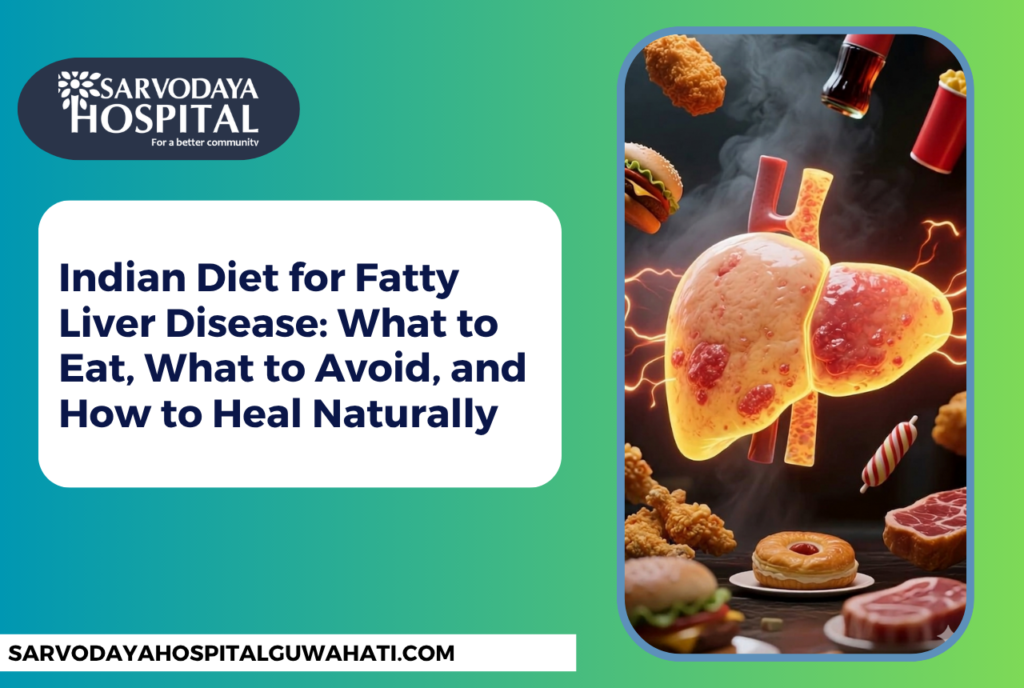
Fatty liver disease has quietly become one of India’s most pressing health concerns. According to recent research, over 25–30% of the Indian adult population is estimated to have non-alcoholic fatty liver disease (NAFLD) — and most of them don’t even know it. The condition often shows no symptoms in its early stages, only to be discovered during a routine health check-up.
The good news? Your liver is a remarkable organ capable of healing itself — and the right Indian diet for fatty liver disease can be your most powerful tool. Traditional Indian cuisine, when balanced thoughtfully, offers an excellent foundation for reversing this condition without expensive medications or drastic dietary overhauls.
In this guide, we walk you through the best foods to eat, the foods to avoid, and a practical meal plan tailored to Indian eating habits — so you can start healing from the inside out.
What Is Fatty Liver Disease and Why Is India at Risk?
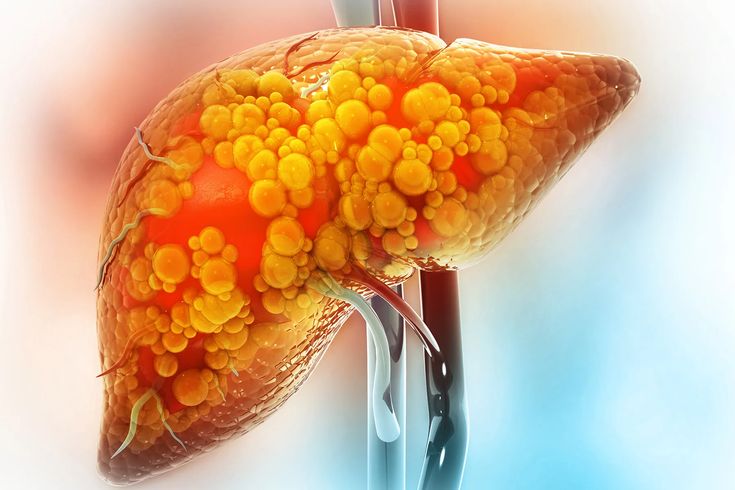
Fatty liver disease occurs when excess fat makes up more than 5–10% of your liver’s weight. There are two main types:
- Non-Alcoholic Fatty Liver Disease (NAFLD): The most common type in India, linked to obesity, high-sugar diets, insulin resistance, high cholesterol, and a sedentary lifestyle.
- Alcoholic Fatty Liver Disease (AFLD): Caused by excessive alcohol consumption, leading to inflammation and liver damage over time.
Changing dietary patterns, increasing consumption of processed and packaged foods, and more sedentary urban lifestyles have all driven the NAFLD epidemic in India. The encouraging part: fatty liver is reversible in its early stages with the right nutrition and lifestyle habits. Diet changes are often more effective than medication in early-stage fatty liver.
Best Indian Foods for Fatty Liver Disease
The traditional Indian kitchen is full of liver-friendly ingredients. Here’s what you should be filling your plate with:
1. Whole Grains and Millets
Replace refined grains (maida, white rice) with whole grain alternatives. Opt for brown rice, whole wheat roti (using multigrain atta), jowar, bajra, ragi, and daliya. These are high in fiber, improve insulin sensitivity, and help reduce liver fat accumulation. Oats are especially beneficial — rich in soluble fiber, they help regulate blood sugar and reduce cholesterol, directly supporting liver function.
2. Dals and Legumes
Moong dal, chana dal, masoor dal, chickpeas (chana), kidney beans (rajma), and lentils are excellent sources of plant-based protein, antioxidants, and fiber. They help manage weight and improve insulin sensitivity — two key factors in preventing and reversing fatty liver. Chana is particularly beneficial; opt for boiled or roasted preparations, not fried.
3. Green Leafy Vegetables
Spinach (palak), fenugreek leaves (methi), mustard greens (sarson), and radish greens are rich in fiber, vitamins, minerals, and antioxidants that actively support liver function and reduce inflammation. These cooling vegetables help lower liver fat and maintain your body’s natural detoxification processes.
4. Turmeric, Garlic, and Liver-Protective Spices
Haldi (turmeric) is one of the most powerful natural liver defenders, thanks to its active compound curcumin, which has strong anti-inflammatory properties. Garlic (lahsun) promotes metabolism and helps reduce liver fat. Jeera (cumin) water and ajwain water both promote detoxification and enhance digestion — making them ideal morning drinks for fatty liver patients.
5. Amla (Indian Gooseberry) and Citrus Fruits
Amla is extraordinarily rich in Vitamin C and promotes liver cleansing. Citrus fruits like oranges, lemons, and grapefruit are equally powerful — their antioxidants protect liver cells and stimulate the production of liver detoxification enzymes. Starting your morning with warm lemon water is a simple and effective liver-supporting habit.
6. Healthy Fats — Including Ghee in Moderation
While saturated and trans fats worsen fatty liver, healthy unsaturated fats support it. Include walnuts, flaxseeds, and chia seeds for omega-3 fatty acids. Fish like pomfret and kingfish also provide omega-3s that reduce liver fat and inflammation. Ghee — Indian clarified butter — can be included in small amounts; it contains butyric acid, which supports gut health and has anti-inflammatory properties.
7. Liver-Friendly Beverages
Green tea contains antioxidants that reduce liver fat and improve liver enzymes. Beetroot and carrot juice offer liver-detoxifying antioxidants. Moderate coffee consumption may also reduce liver disease progression risk. Replace sugary beverages and milk tea with these healthier alternatives.
What Not to Eat During Fatty Liver Disease
Avoiding liver stressors is just as important as including healing foods. The biggest culprits that worsen fatty liver include:
| ❌ Avoid These Foods | Why It Harms Your Liver |
| Maida / White Rice / White Bread | High glycemic load; spikes blood sugar and promotes fat storage in the liver |
| Fried Foods (samosa, pakoda, puri) | Loaded with trans and saturated fats that directly worsen liver fat accumulation |
| Sugary Sweets & Desserts | Excess sugar converts to fat in the liver; a primary driver of NAFLD |
| Packaged & Processed Foods | High in sodium, refined carbs, and unhealthy fats that burden the liver |
| Full-Fat Dairy & Red Meat | High in saturated fat; increases liver inflammation when consumed excessively |
| Alcohol | Even moderate amounts are toxic to a compromised liver |
| Sugary Drinks & Juices | Liquid sugar causes rapid fat build-up in liver cells |
| Artificial Sweeteners | Can promote metabolic disturbances that worsen fatty liver |
7-Day Indian Diet Plan for Fatty Liver Disease
Here is a practical, balanced Indian meal plan to help you get started. This plan works for both vegetarians and non-vegetarians. Remember to eat at consistent timings, control your portions, and drink 8–10 glasses of water daily.
Day 1 (Monday)
- 🌅 Breakfast: Oats porridge with almonds and flaxseeds + green tea
- ☀️ Mid-Morning: 1 amla or a glass of warm lemon water
- 🍽️ Lunch: Brown rice + moong dal + palak sabzi + cucumber salad
- 🌇 Evening Snack: Roasted chana + herbal tea (ajwain or jeera water)
- 🌙 Dinner: Whole wheat roti (2) + lauki sabzi + small bowl of curd
Day 2 (Tuesday)
- 🌅 Breakfast: Moong dal chilla with paneer filling + green tea
- ☀️ Mid-Morning: A bowl of papaya or an orange
- 🍽️ Lunch: Jowar roti (2) + rajma curry + steamed broccoli
- 🌇 Evening Snack: Carrot and cucumber sticks with mint chutney
- 🌙 Dinner: Vegetable khichdi (brown rice + moong dal) + buttermilk
Day 3 (Wednesday)
- 🌅 Breakfast: Ragi porridge with a handful of berries
- ☀️ Mid-Morning: Warm amla juice or beetroot juice
- 🍽️ Lunch: Brown rice + fish curry (pomfret or kingfish) + tomato salad
- 🌇 Evening Snack: A small bowl of boiled chickpeas with lemon and herbs
- 🌙 Dinner: Multigrain roti + methi sabzi + dal tadka (small portion)
Day 4 (Thursday)
- 🌅 Breakfast: Vegetable upma (with minimal oil) + green tea
- ☀️ Mid-Morning: 1 guava or 1 apple
- 🍽️ Lunch: Bajra roti + chana dal + spinach salad
- 🌇 Evening Snack: Walnut and roasted flaxseed snack
- 🌙 Dinner: Daliya khichdi + steamed vegetables
Day 5 (Friday)
- 🌅 Breakfast: Oat and ragi idli (2-3 nos.) with coconut chutney
- ☀️ Mid-Morning: A glass of carrot-beetroot juice
- 🍽️ Lunch: Brown rice + sambhar (light) + stir-fried beans
- 🌇 Evening Snack: Green tea + roasted makhana (fox nuts)
- 🌙 Dinner: Whole wheat roti + lauki-chana sabzi + small bowl of curd
Day 6 (Saturday)
- 🌅 Breakfast: Poha with vegetables (minimal oil, no potato) + green tea
- ☀️ Mid-Morning: Amla chyawanprash (1 tsp) or fresh amla
- 🍽️ Lunch: Jowar roti + mixed vegetable curry + cucumber raita
- 🌇 Evening Snack: Boiled moong chaat with lime
- 🌙 Dinner: Grilled fish (100g) + roasted seasonal vegetables + jeera water
Day 7 (Sunday)
- 🌅 Breakfast: Whole grain toast with avocado + boiled egg whites (2)
- ☀️ Mid-Morning: Papaya bowl or a bowl of berries
- 🍽️ Lunch: Brown rice + palak paneer (low-fat) + kachumber salad
- 🌇 Evening Snack: Herbal tea (dandelion root or tulsi) + handful of walnuts
- 🌙 Dinner: Multigrain roti + dal + stir-fried greens
Lifestyle Tips to Support Your Indian Fatty Liver Diet
Diet alone is powerful, but paired with the right lifestyle habits, it becomes even more effective:
- Exercise Daily: Aim for 30–40 minutes of moderate activity — brisk walking, swimming, cycling, or yoga. Weight loss of just 5–10% of body weight can significantly reduce liver fat.
- Sleep Well: Get 7–8 hours of quality sleep every night. Poor sleep disrupts hormones that regulate appetite and metabolism, worsening liver health.
- Manage Stress: Chronic stress elevates cortisol, which promotes liver fat accumulation. Practice deep breathing, meditation, or pranayama daily.
- Stay Hydrated: Drink 8–10 glasses of water daily. Proper hydration helps your liver flush out toxins more effectively.
- Monitor Progress: Have liver function tests every 3–6 months. Track your weight, waist circumference, and blood sugar levels regularly.
- Avoid Unnecessary Medications: Limit exposure to medications that can strain the liver unless prescribed by your doctor.
Traditional Indian Remedies for Liver Health
India’s Ayurvedic tradition offers several time-tested supports for liver recovery that complement a healthy diet:
- Triphala: A traditional formulation that promotes detoxification, digestion, and liver tissue regeneration.
- Turmeric Milk (Haldi Doodh): A warm cup before bed calms inflammation and supports overnight liver repair.
- Jeera Water: Boil cumin seeds in water, cool, and sip throughout the day to aid digestion and detoxification.
- Bitter Gourd (Karela) Juice: Helps lower blood sugar and supports liver function — best consumed in small amounts on an empty stomach.
- Kalmegh and Bhumyamalaki Herbal Teas: Traditional Ayurvedic herbs known for hepatoprotective (liver-protecting) properties.
When to See a Doctor at Sarvodaya Hospital Guwahati
While diet and lifestyle changes are the cornerstone of fatty liver management, professional medical guidance is essential — especially if your condition has progressed. You should consult a liver specialist if you experience:
- Persistent fatigue or unexplained weakness
- Abdominal discomfort or bloating that doesn’t resolve
- Yellowing of eyes or skin (jaundice)
- Abnormal liver function test results
- Grade 2 or Grade 3 fatty liver confirmed by ultrasound
- Fatty liver associated with diabetes, thyroid conditions, or metabolic syndrome
At Sarvodaya Hospital Guwahati, our expert gastroenterology and internal medicine teams provide personalized evaluation, diet counseling, and treatment plans for fatty liver disease. Early diagnosis and guided intervention can prevent the condition from progressing to more serious complications such as liver fibrosis, cirrhosis, or liver failure.
Conclusion: Heal Your Liver with Your Plate
Fatty liver disease is a wake-up call from your body — but it is not a life sentence. With the right Indian diet for fatty liver disease, consistent lifestyle changes, and timely medical support, your liver can heal and return to full function.
The answers are often already in your kitchen. Turmeric, jeera, amla, moong dal, whole grains, and leafy greens are not just everyday Indian foods — they are potent liver healers. The key is consistency: small, sustainable changes made daily are far more powerful than drastic, short-term restrictions.
Start with the 7-day meal plan above, eliminate the foods on the avoid list, move your body for 30 minutes daily, and monitor your liver health regularly. Your liver is resilient — give it the right support and it will reward you.
🏥 Need Expert Help with Fatty Liver? Book a consultation with Sarvodaya Hospital Guwahati. Get a personalized diet and treatment plan tailored to your condition.